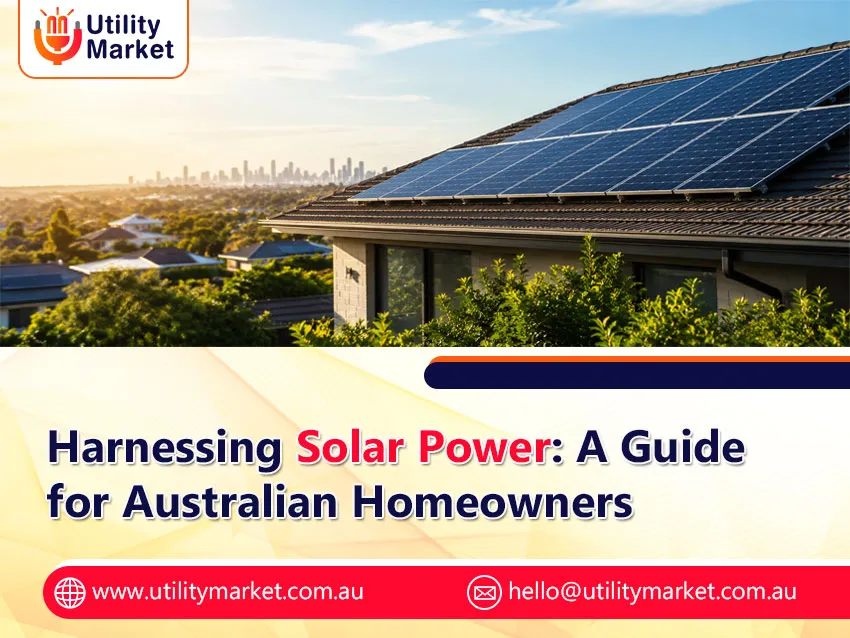
Harnessing Solar Power: A Guide for Australian Homeowners
Published June 29, 2026
Use of solar energy as an alternative form of power generation has been growing in Australia. More homeowners are turning to solar power for Australian homes to cut down their electricity bills. In addition, some people are interested in reducing their carbon footprint. This article gives detailed information regarding the use of solar energy in Australia, from the kinds of systems that are available to the costs and even the maintenance issues.
Types of Solar Power Systems
There are various kinds of solar energy systems available in Australia. The following are some of them:
Grid-connected Solar Power System: This is the most common solar energy system in Australia. This type of system is connected to the electrical grid. Your panels will produce energy during the daytime that is consumed in your house. The remaining energy produced by your solar panels is sent back to the grid. You get credit in your electricity bill because of the extra energy that is sent back to the grid. When there is not much energy being produced by your solar panels during nighttime or rainy weather, you draw energy from the grid.
Off-Grid Systems: In this kind of systems, the electricity grid does not exist and therefore they are totally independent. They need batteries because they allow you to store the electricity produced by the solar panels in order to be able to use it when there is no sun anymore. Off-grid systems are used when the connection with the grid cannot be done for practical or economic reasons. They are more expensive than the grid systems thanks to the price of the batteries.
Hybrid Systems: The hybrid systems have the characteristics of the grid-connected systems and the off-grid systems. Indeed, the connection with the electricity grid exists but there are also batteries that allow you to save the solar electricity during the times when the demand for electricity is at its peak. The advantage of the hybrid system is that it makes it possible to have cost savings without disconnecting from the electricity grid.
Choosing the Right System
Depending on your personal situation, different solar power systems will be better for you. Take into account the following aspects:
Energy Usage: What is your daily or monthly electricity consumption? It will play a critical role in determining the right solar system for you.
Location: What is the level of sunlight that hits your roof in a year? It will determine the level of electricity that your solar panels can produce. A qualified installer can conduct an evaluation for you.
Budget: What is the maximum amount that you are ready to spend on the installation of the solar power system? There are differences in costs of various solar systems, so it is important to establish the budget first.
Objectives: What is your objective in using solar power? Is it saving costs on electricity bills, reducing your environmental footprint or achieving greater energy independence? It will dictate the type of solar system that you will get. Choosing the right solar power for Australian homes depends on your energy needs, budget and long-term goals. You can find out more information about our objectives from solar page.
Solar Panels’ Installation Costs and Savings
As a rule, the price of a solar energy generation system may depend on its capacity, the type of panels and the installer. Nonetheless, one may use some approximate values such as the price of 6.6 kW solar panel, which is estimated at $5,000-$9,000 (without taking into account any government rebates). It should be noted that this is an approximate estimation, and it is better to get several quotes to find out the price of the system for your needs.
The Factors Which Influence the Cost
System’s Size: The bigger the system, the higher the cost.
Type of Panels: There are different types of solar panels, and each of them has its own price and efficiency. For example, monocrystalline panels are more effective than polycrystalline, but their price is higher too.
Type of Inverter: The inverter converts the DC electricity into AC electricity. There are different types of inverters with various prices and characteristics.
Installation Cost: The cost of installation is determined by its complexity and installer’s choice.
Understanding the Rebates and Incentives from the Government
There are a number of incentives and rebates from the Australian government which aim at encouraging homeowners to use solar energy. The major incentive provided by the government is the Small-scale Renewable Energy Scheme (SRES). Under this scheme, Small-scale Technology Certificates (STCs) are issued which can be used as a discount for the installation of your solar energy system. The amount of STCs you earn would vary depending on the size of your system and your location. Your solar panel company usually takes care of this part of the process for you.
Apart from the above mentioned scheme, there are state and territory government incentives for solar power as well. They can take the form of feed-in tariffs and other financial incentives. You could check with your respective government to see what incentives you are entitled to.
Finding a Reliable Solar Installer
It is necessary to seek out a reliable solar installer so as to be sure that your solar panels will be installed efficiently and effectively. The tips below will assist you in doing so:
Obtain Quotes: Seek quotes from at least three solar installers so as to compare their prices and services. You should not consider choosing an installer based on the quote he offers but rather the quality of the panels, inverter and installation service.
Check the Qualifications: Make sure that the installer is certified by the Clean Energy Council (CEC) since this means that he has been trained and experienced in installing solar power systems.
Check Ratings and References: Check the ratings of the installer online as well as seeking references from his previous clients. This way you can determine if the installer is indeed reputable and does good work.
Ask Questions: Ask the installer some questions regarding his qualifications and installation process.
Check Warranties: It is necessary to check the warranties provided by the installer as well as those offered by the manufacturer of the panels and inverter.
With the knowledge about the various forms of solar power generation, the costing and saving involved, government incentives, a reputable company to install the system and proper maintenance of the system, one will be able to make the appropriate decision on whether or not it is worth installing a solar power system in their homes.
Ready to make the switch? Utility Market is here to help you explore the best options for solar power for Australian homes. Follow us on Instagram for the latest energy-saving tips, solar updates and expert advice.