Rising Energy Costs: How Businesses Can Control Electricity Expenses and Protect Profits
Published October 28, 2026
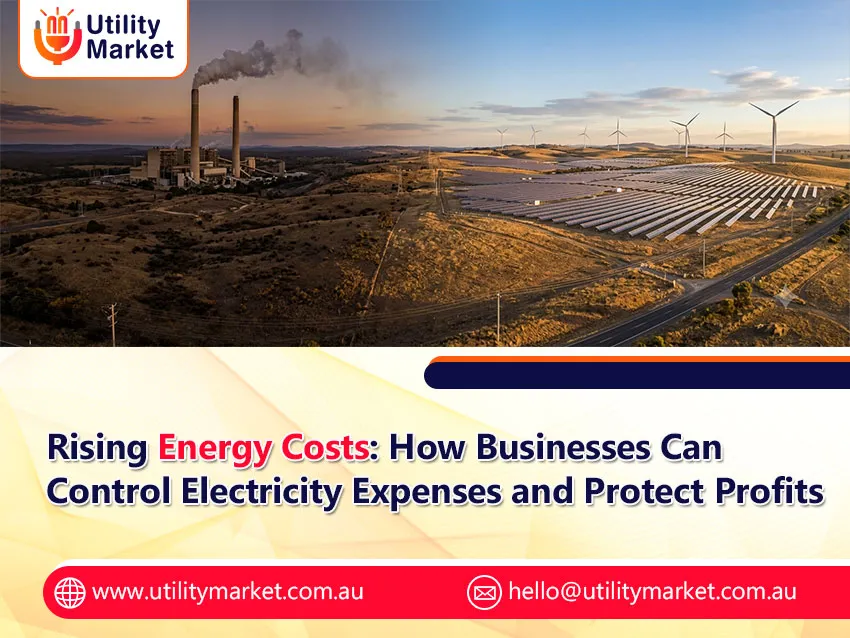
The energy scenario in Australia is changing dramatically. With the population of Australia growing and the demand for power expected to double in the coming decade, business electricity costs may rise as coal-based power stations, which provide Australia with reliable sources of energy, are shut down at an increasing rate. With no plans for any future coal-based power stations and the development of renewable energy systems just starting, companies have a tough time ahead.
The Looming Energy Gap
By 2033, Australia’s population will rise from 27.5 million people to 31.2 million people, hence increasing the base demand for electricity. In the same period, 42% of Australia’s coal energy equivalent to 9,020 MW will be missing, owing to the fact that old coal stations will be decommissioned.
With no alternative coal stations being built to compensate for the missing supply, there will be a higher dependence on renewable sources of energy, which happen to be weather-dependent. Wind and solar farms may sound promising; however, they cannot deliver power during cloudy or windless days. Battery energy storage has not reached maturity. Moreover, the 2024 Integrated System Plan by AEMO stresses the importance of investments in such solutions.
Furthermore, the growth in the population of Australia makes energy demand increase, as can be seen in the population clock and population pyramid produced by the Australian Bureau of Statistics.
High Wholesale Prices in the Making
Such a situation becomes a recipe for high electricity prices:
Shortage of Supply: With many coal power plants being closed down, there is less supply of reliable and flexible energy, thus contributing to increased wholesale prices.
Costs of Integrating Renewables: Moving to renewables involves considerable capital expenditure which must certainly be reflected in higher prices.
Bargaining Power: The owners of plants, like Earring approaching their closure will prolong their activities at more profitable terms with the states, adding to the costs.
Impact on Businesses
Given that the price of electricity continues to remain volatile and more issues are anticipated in the future, things look difficult for businesses. The cost of generating electricity will be higher and may affect the bottom line, particularly SMEs.
The Importance of Acting Today
Here are some steps that could help in addressing these difficulties:
Working with an Energy Broker: A good energy broker can assist you in reviewing your contracts, increase efficiency, and ensure that you get the best deal for your company.
Renewable Energy: Solar panels and other renewable sources of energy can help reduce costs due to increasing cost of electricity from the grid, along with incentives from the government.
Demand Analysis: The projected doubling of the demand for grid electricity till 2033 means that it is important to know your energy consumption today.
Take Control of Your Energy Future
The energy market is shifting, and businesses that act decisively will be better positioned to weather the changes ahead. At Utility Market, we specialise in helping companies navigate these challenges, ensuring you’re not just reacting to higher electricity rates but proactively managing your energy strategy.
Take control of your business electricity costs with Utility Market and explore smarter ways to manage your energy expenses.
Follow Utility Market on LinkedIn for more insights and practical tips on business energy savings.