How to Choose the Best EV Electricity Plan in Australia for Smarter Savings
Published November 18, 2026
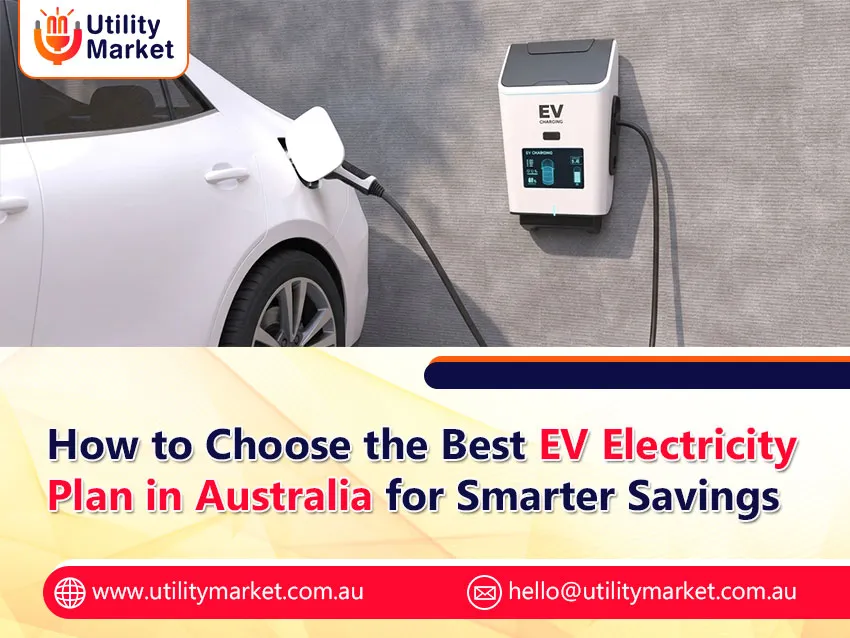
Getting an EV either on purchase or lease will affect how your household consumes electricity. Many retailers are now coming up with energy packages designed with EV usage in mind. EV electricity package is not a new form of electricity or one that is sold to another network but a regular electricity retail package whose tariff plan depends on the way you recharge your EV. The tariff plan has a special discount or a period of free charging within the day.
What is an EV electricity plan?
An EV electricity plan is a type of electricity contract tailored towards EV drivers, but in essence, it is still just a regular electricity plan with supply charges for the connection to the grid, as well as usage charges for the electricity consumed.
An EV electricity plan will provide an additional discount or free block of hours besides the regular time of use electricity plan designed to coincide with the periods during which you charge your EV. In some rare instances, an EV electricity plan will give access to an entirely new controlled load tariff connected directly to the charging unit of the vehicle.
Charging periods may differ from home to home and no single plan fits all. There are those aimed at charging during the night period, others – at noon to be aligned with rooftop solar production and still others that give a smaller discount over a greater number of hours.
How EV electricity plans are structured
Every electricity plan, EV-specific or not, is built from the same components: a daily supply charge and a usage charge measured in cents per kilowatt hour. What an EV plan usually changes is the tariff type layered on top of those charges:
Time-of-use (ToU) tariffs charge different rates depending on when electricity is used, typically split into peak, shoulder and off-peak periods. Most EV plans are a variation of a ToU tariff with a specifically discounted or free window added for EV charging.
Controlled load tariffs measure a specific circuit, historically used for hot water systems or pool pumps, separately from the rest of the house. It’s usually charged at a flat rate, lower than a regular electricity charge. A handful of retailers extend this to EV chargers, but it requires a dedicated controlled load circuit to be installed, which is a job for your distributor or an electrician, not something a retailer can activate remotely.
Charging windows that are common and suitable for particular households
Instead of comparing electricity plans by their names, it is best to compare them by their charging window:
An overnight window is suited for those who charge their vehicles after coming back home and would not require it to be charged again until the next time they are going out. They are very common EV charging-based plans available on the market and are usually active from midnight till early morning. This period of the day coincides with the time when electricity consumption is at its minimum.
A midday or a daytime window is ideal for those with solar panels installed on the roof of their house, or those who have a flexible working schedule and can charge their vehicle during the day. Electric Vehicle Council recommends charging during the day whenever possible, due to economic and environmental reasons as well, because at this time of the day the generation of rooftop solar energy peaks on the grid.
If you already have solar panels installed, then you should consult our guide on the solar feed-in tariffs. None of these is inherently better. The right one is whichever matches your routine, which is worth tracking before you commit to a plan.
Types of EV Electricity Plans and Their Benefits
| EV Plan Type | Charging Period | Best Suited For | Main Benefit |
|---|---|---|---|
| Overnight EV Plan | Late night to early morning | Drivers charging after returning home | Lower overnight charging rates |
| Daytime EV Plan | Late morning to afternoon | Homes with rooftop solar | Better use of solar generation |
| Free Charging Window | Specific hours set by retailer | Drivers with flexible schedules | Free electricity during eligible hours |
| Controlled Load Plan | Dedicated charging period | Homes with compatible EV charging circuits | Separate electricity tariff |
Note: Actual charging hours, rates and eligibility vary between electricity retailers and distribution networks.
Is it worth it to go for an EV electricity plan?
Yes, but only if the plan is structured according to your charging patterns, regardless of whether the plan includes “EV” in its branding.
A plan featuring a very low-priced night window would be of no use to a family that charges their vehicle mostly at daytime, while an option which allows charging without any cost during the day would not benefit someone who charges during nighttime since he is not home until 6 p.m.
It may make sense, therefore, before making the switch, to compare the offered EV electricity plan with the best time-of-use plan available in the distribution area for the same usage profile. The off-peak rate of the former plan must be substantially lower than that of the latter for the discount window to provide you with savings.
Comparison and switching
- Look up your present bill to see what kind of meter and what kind of distribution network you have. You’ll find more about reading your electricity bill in our guide.
- Calculate your charging pattern during a few weeks rather than making assumptions.
- Check what EV-related electricity plan is available in your distribution network.
- Before signing, read an official sheet of energy prices of the plan, not the marketing website.
- Find out if your meter is eligible for the plan in question via your distribution company, not the retailer, in case you aren’t sure about your meter.
- Be aware of exit terms and cooling-off period, especially if you are going to switch from another plan.
Frequently Asked Questions About EV Electricity Plans
The cheapest plan depends on when you charge your vehicle, your household electricity consumption and the available off-peak rates. Comparing EV-specific plans with standard time-of-use plans can help identify better value.
Not always. Some EV plans offer discounted or free charging periods, but they may have higher peak rates or daily supply charges. Compare the total electricity cost before switching.
Yes. If you have rooftop solar panels, you can charge your EV during daylight hours using surplus solar electricity, potentially reducing your reliance on grid electricity.
Overnight charging can be cheaper when your electricity plan offers discounted off-peak rates. However, charging costs depend on your retailer's tariff structure and applicable charging hours.
Some EV plans require a smart meter capable of recording time-based electricity consumption. Certain controlled-load arrangements may also require a dedicated circuit and compatible charging equipment.
Many retailers offer EV-specific plans to existing customers, but availability depends on your location, meter configuration and eligibility requirements.
Compare ev electricity plans australia with Utility Market to find suitable energy deals and smarter ways to reduce your EV charging costs.
Follow Utility Market on LinkedIn for the latest energy updates, insights and savings tips.