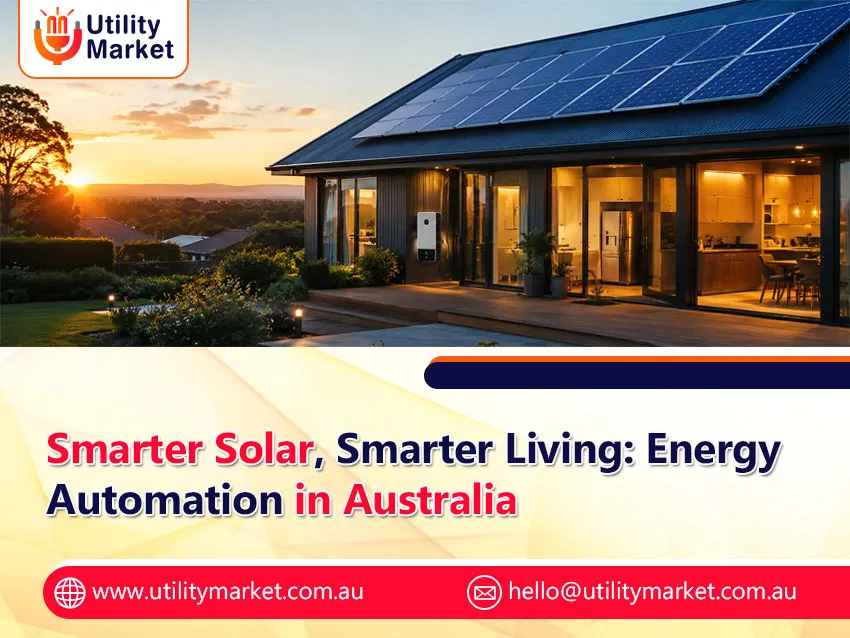
Smarter Solar, Smarter Living: Energy Automation in Australia
Published July 10, 2026
Australia’s relationship with solar energy need not remain under wraps. With Smart solar energy Australia gaining momentum, we have more than three million rooftop solar panel systems up in our homes. But there is an even more quiet revolution taking place that sees the meeting of solar and smart technologies to enable our homegrown energy production.
So, how does this next-generation energy production system operate? Let’s take a peek into how automation is helping homeowners get the most from their solar energy systems.
Set & Forget Solar Energy Systems
Solar energy is amazing, but it’s not miraculous. For most households, power is generated during daytime when everyone is away. This excess energy is sold back to the electricity grid via feed-in tariffs that have reduced significantly in the past years. During evening time, when the family gets home and begins cooking, doing laundry and enjoying themselves, there’s only expensive grid electricity available.
However, through the help of automation technology, one can manage his/her electricity use in the day, thus maximizing self-consumption of solar power and minimizing reliance on the electricity grid.
Smart Homes – More Than Just Convenience
The concept of a smart home goes beyond mere voice commands and blinking lights. In 2025, a smart home is all about control. Below are some of the ways in which Australians can automate their homes for efficient energy consumption:
Smart Schedule & Smart Plugs: Make your dishwasher, washing machine or pool pump work at optimum solar periods irrespective of your location.
AI-Based Energy Applications: There are certain gadgets which can predict your energy consumption and adjust automatically in favor of saving energy.
Smart Thermostats & Air Conditioners: Cool or heat your home in the afternoons while solar energy is abundant and breeze through the evening hours effortlessly without any power from the grid.
Battery Storage & Load Control – A Winning Combination
While installing a home battery alongside your solar panel installation is one of the best ways to store any excess energy generated for future use, adding smart load control on top of that will really make a difference.
Imagine that your home’s battery gets recharged during the day. The hot water system, on the other hand, will run itself automatically at midday. In the evening, rather than turning to the grid, you get your lighting, appliances, and heating powered by the stored solar power. It is effective, clean, and tailored to your requirements.
How to Start: Smart Solar Power for Everyone
There is no need for a complex automatic home system to start using it. Even a simple gadget, such as a Wi-Fi plug, or simply the timer switch, can be used to transfer loads and let the solar work better.
Here are some easy steps to follow:
Evaluate Your Requirements: Think about the moments of your largest spikes in energy use.
Time the Work with the Sun: Try to match appliance use with midday.
Start Small: Start with one smart plug or gadget.
Use Data: Today almost any electricity supplier has usage dashboard available—use it to guide your decisions.
Compare Plans: Some electricity providers offer special deals for solar users—make sure that your plan works together with yours.
Bottom line
Solar power has changed the way in which we use light but incorporating it with smart technology is the next big thing. This is not just about money. This is about control, sustainability and the ability to own the future of energy.
Discover how Smart solar energy Australia can help you save more and live more sustainably. Follow Utility Market on Instagram for expert energy-saving tips, solar insights, and the latest updates.