How Small Businesses Can Respond to a 9% Rise in Energy Costs (2026 Update)
Published July 9, 2025 | Updated August 31, 2026
Keeping the lights on and equipment running remains one of the largest overhead expenses for Australian business owners. While market conditions continue to evolve, understanding where prices stood during the major July 2025 adjustments provides a vital benchmark for evaluating current energy contracts.
The Original 2025 Market Impact
Small businesses all across Australia are set to face a hike in electricity bills from this July 1, 2025, with variable impacts based on the state. These rises, primarily due to mounting electricity production and network expenses, will put pressure on operational costs. Below, we bring you the key statistics and essential statistics to assist businesses in staying informed & prepared.
| State / Region | Expected Price Rise | Annual Bill Increase | Total Annual Bill Post-Increase |
| New South Wales (NSW) | 8.2% | $376 | $4,988 |
| Queensland (QLD) | 4.2% | $175 | $4,439 |
| South Australia (SA) | 6.6% | $350 | $5,707 |
| Victoria (VIC) | Varies by zone | $77 to $128 | Dependent on distribution zone |
New South Wales (NSW)
- Small businesses linked to the same network will experience an 8.2% rise in electricity costs.
- The annual electricity bill is all set to rise by $376, reaching $4,988.
Queensland (QLD)
- Small businesses are going to witness a 4.2% hike in electricity bills.
- Average yearly bills will rise by $175, resulting in a total of $4,439.
South Australia (SA)
- Small businesses are going to experience a 6.6% hike in electricity costs.
- The average yearly bill tends to rise by $350, attaining $5,707.
Victoria (VIC)
Business on the Victorian Default Offer will see annual increases between $77 & $128, varying by distribution zone.
Why Are Prices Soaring?
The Australian Energy Regulator (AER) has explained the recent price increases based on a number of factors. One of the major reasons is the increased cost of electricity production, which has been fuelled by soaring wholesale energy prices. The increased costs have a direct effect on consumers and businesses. Moreover, increased network prices, including the cost of maintaining and upgrading infrastructure, also account for the increase in the cost of electricity. Another key contributor is the power station breakdowns in coal-fired plants, which have caused supply bottlenecks and higher dependence on other energy sources, further causing costs to rise.
What Small Businesses Can Do?
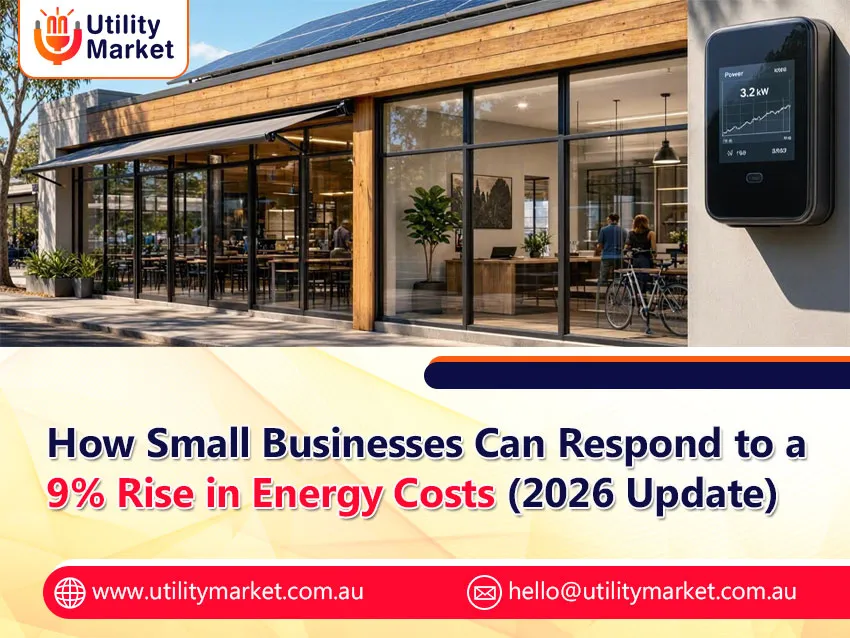
As the cost of energy continues to escalate, small businesses need to seek ways to better control their expenses. Energy Minister Chris Bowen has advised businesses to shop around for energy deals from various retailers in order to get the best possible deal. By comparing and analysing existing choices, businesses can be assured of being on the most affordable plan for their requirements. Moreover, companies can go for renewable energy options like investing in solar power, which can decrease their dependency on grid electricity and translate into long-term cost savings. Adopting energy efficiency measures is also a good idea. Simple things like the replacement of traditional lighting with LED lighting, optimising appliance operation and enhancing overall energy management can yield impressive savings.
2026 Update: Managing Your Rates Today
While the 2025 rate increases set a high baseline for business operating costs, managing your energy expense remains a continuous process. If your business negotiated or rolled onto a contract during the 2025 price adjustments, that plan or benefit period may now be up for review.
Here is what small businesses should focus on right now:
-
Review Contract Expiry Dates: Benefit periods and fixed discounts typically last 12 months. When they expire, retailers often transition accounts onto default variable rates, which can silently increase your monthly power charges.
-
Compare Usage vs. Daily Supply Rates: Look closely at your latest bill. A low usage rate (c/kWh) can easily be offset by a high daily supply charge, especially for smaller sites or offices with lower overall consumption.
-
Audit High-Consumption Appliances: Beyond LED lighting upgrades, servicing HVAC systems, cleaning condenser coils on commercial refrigeration and setting smart timers for heavy equipment can prevent unnecessary energy waste.
The Takeaway
The imminent electricity price hike will add financial pressure to small businesses across Australia. Staying well-informed and exploring affordable solutions, businesses tend to lessen some of the rising expenses. Now, it is time to evaluate your energy plan and consider sustainable options to future-proof your business.
Seeking for any help? At Utility Market, we are specialized in helping businesses secure competitive energy rates and explore solar solutions. Contact our team today to compare your options and find the right deal for your business.