Energy Comparison Websites in Australia for Better Electricity and Gas Deals
Published September 23, 2026
If you’ve ever put your postcode up on an energy comparison website wondering if you’re getting the best price or if you’re being conned by the big providers, you’re in the right place. Not every comparison site works the same way and understanding the difference is the fastest way to make sure you’re not leaving money on the table.
What an energy comparison site actually does
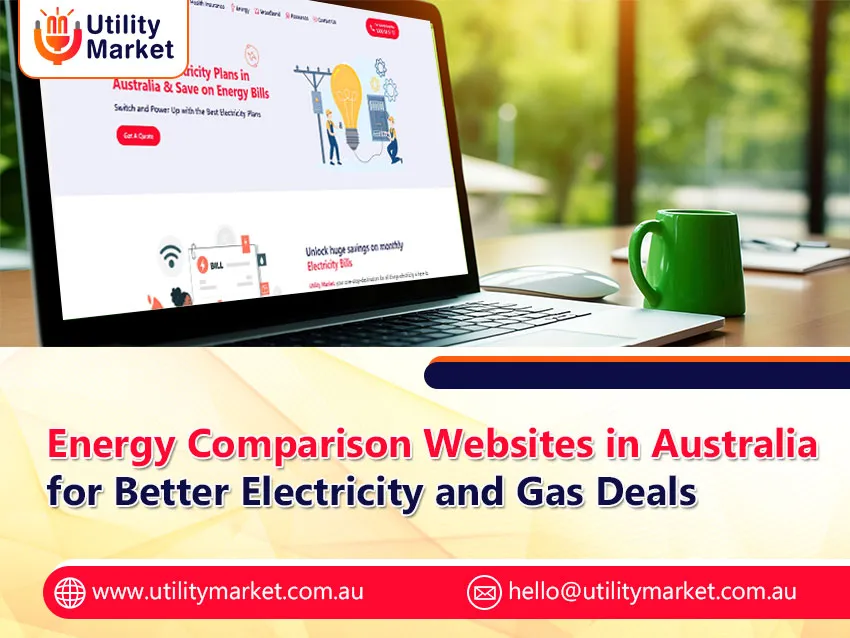
At a basic level, these sites take your usage details, your postcode and sometimes a copy of your bill, then match that against a list of available electricity and gas plans in your area. You get a ranked list, usually cheapest first and the option to switch on the spot.
Where they differ is in how many retailers, they actually look at and how they’re funded.
The two main types of comparison sites include:
Government-run comparison tools- These are free to use and don’t take a cut when you switch. Because they’re not funded by retailers, they’re required to show every generally available plan in your area, not just the ones from a chosen list of partners. They tend to be a bit more basic to look at, but they give you the most complete picture of the market.
Commercial comparison services- These are also free to the person searching but they make their money differently. When you switch to a plan through one of these sites, the energy retailer pays the site a fee. That’s what keeps the service free for you and it’s a completely legitimate business model that plenty of reputable sites use. The trade-off is that most commercial sites only compare a panel of retailers who’ve agreed to work with them, rather than every retailer on the market. A site might compare a dozen well-known providers rather than the full forty-plus operating across the country.
There’s also a smaller category of subscription-based comparison tools that charge a small annual fee instead of taking a commission, on the basis that this removes any incentive to favour one retailer over another. They’re less common, but worth knowing exist if you want a completely commission-free comparison and don’t mind paying a small fee for it.
Why this actually matters
None of this means commercial comparison sites are being dishonest. Most disclose their funding model clearly if you look for it, usually in the footer or a dedicated disclosures page. But it’s worth being realistic about what “free” means here. If a site earns more when you switch to a particular retailer, that retailer is naturally going to be well represented in the results, whether or not it’s genuinely the cheapest option for your situation.
This has been a live issue in Australia’s energy market for a while now. Regulators have raised concerns in the past about comparison sites not being upfront enough about how many retailers and offers they actually include and there’s been at least one high-profile case where a comparison service was found to have misled customers about the scope of what it compared.
How to get a fair comparison
A few habits make a real difference here:
Look for a disclosure or “how we make money” page before trusting a result. A site that’s upfront about its funding model is usually a good sign.
Ask yourself whether you’re seeing a handful of familiar retailer names or a genuinely broad list. If it’s always the same three or four brands, you’re probably looking at a partner panel rather than the full market.
Don’t rely on a plan you signed up to years ago and assume it’s still competitive. Prices and offers shift often, so it’s worth checking against the current market every so often.
Compare based on your actual usage rather than a rough estimate. Supply charges, time-of-use rates and solar feed-in credits can all shift which plan is genuinely the cheapest for your household.
Set a reminder to re-run the comparison every twelve months. Energy pricing moves around a lot and the best deal when you signed up is rarely still the best deal two years later.
Frequently asked questions
Generally, yes. Commercial sites don't charge you directly; they earn a fee from the retailer if you switch through them. Government comparison tools are free as well, funded publicly rather than through commissions.
Not always. Commercial sites usually compare a panel of retailers they've partnered with, which can be a fraction of the total number operating in Australia. Government-run tools are required to show all generally available plans in your area which gives you a fuller view of the market.
Check for a disclosures page, usually linked in the footer or FAQ section. A trustworthy site will tell you plainly whether it earns a commission and roughly how many retailers it compares.
Pricing varies a lot by state and network area, driven by things like network costs, wholesale prices and how much competition exists among retailers in that region. It's one of the reasons a plan that's a great deal in one state can be an average one in another, which is exactly why comparing plans for your specific address and usage matters more than going off a national average.
Compare your energy plan directly with Utility Market
At Utility Market, energy is one of the things we compare directly, alongside broadband, health insurance and solar. If you’d rather skip the guesswork and see plans side by side for your area, you can compare electricity or Gas plans with us or look into solar if you’re weighing that up as well. It only takes a couple of minutes to see where you stand and there’s no obligation to switch if nothing beats your current plan.