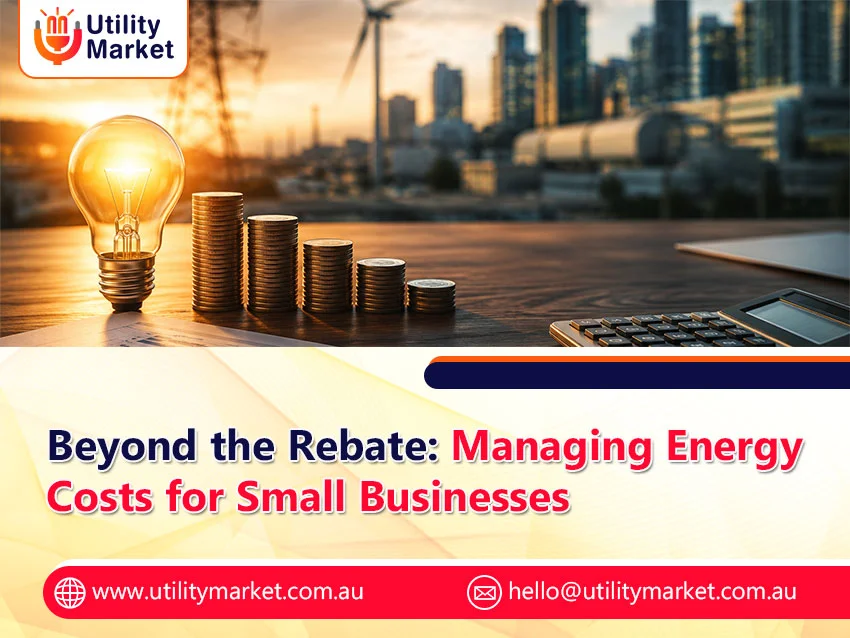
Beyond the Rebate: Managing Energy Costs for Small Businesses
Published June 9, 2026
For several small companies, recent energy bills appear relatively low. The reason behind this is due to temporary government rebates that have been issued automatically. As of January 2026, these rebates are set to expire. Once expired, bills are bound to revert back to the original amounts. The effect of this will have a major impact for Australian businesses that are already operating on thin margins. Knowing what is about to happen will aid in future preparedness when negotiating with Electricity and Gas companies within the various states.
This blog throws light on why the energy rebate will expire, how the expiration will affect small & mid sized businesses and what needs to be done next.
Why the Energy Rebate Will Expire
The energy rebate was created by the government as a temporary solution during an inflation period. This policy will only last a short period of time and does not aim to continue. Most eligible small businesses were credited quarterly at an approximate value of $75 per quarter, giving an estimate of $300 annually.
These incentives will cease from the billing cycle ending in December 2025. From January 2026 onwards, there will be no automatic deductions made against invoices. There is now an economic emphasis on the policy rather than bill deductions.
Implications For Small Businesses In Jan 2026
Once the deduction has ceased, the effect will manifest straight away in the invoice figures. Small businesses who have failed to analyze their energy situation may see adverse effects.
Expected Outcomes Include:
- Higher invoice amount each month
- Cashflow strain if not budgeted for
- Inability to detect inappropriate plans or pricing
- With the removal of rebates, more attention will need to be paid to pricing options.
The Most Dangerous Move Is Inaction
Small businesses tend to continue with the same plan year after year. While convenient, inaction can leave many businesses with unexpected problems when the rebate ceases.
Risks Include:
- Benefit expiry periods
- Default pricing/rollover pricing
- Inappropriate use of plans
4 Crucial Steps That Small Businesses Need to Take
- Review The Most Recent Energy Bill In Detail
- Investigate The Potential Of Any Rollover Contracts
- Compare Energy Offers Like With Like
- Adopt Easy-to-understand Energy Consumption Guidelines
Why Is It Crucial To Consider The Plan Selection When There Are No Rebates?
In previous periods, rebates would soften the blow of higher prices. Starting in 2026, each dollar will be used for consumption and price. There are steeper penalties if a business is on an energy and gas plan that does not match its needs.
Some businesses evaluate their current plans, such as Secure Saver Plan, to determine whether they fit in terms of costs, charges and other terms according to operating hours and consumption.
Finding Help for Energy Decisions
Energy planning requires time and business owners seek for help. Comparison services by Utility Market may assist businesses to compare offers and make decisions on energy use without extra fees.
Your utility comparison broker can assist you in comparing energy plans:
- by evaluating different retailers
- with explanations of conditions and rates in simple terms
- and with switching assistance where necessary
For those companies who choose to Switch Energy Suppliers and save time, particularly when things get busy.
What to Expect After Rebates End
After the January bills start coming in, you’ll know what the new reality looks like. The bills will seem larger, but at least they will be realistic. Companies that think ahead tend to:
- Have fewer unexpected cash flow problems
- Not have to accept inappropriate rollover rates
- Be aware of their costs
Companies that don’t think ahead do things under pressure.
Summary
The end of energy rebates strips away one more level of insurance for small companies that didn’t even know they were benefiting from them. Without that insurance, businesses will see the truth about their energy costs and usages.
Stay ahead of rising energy expenses with smarter small business energy cost management strategies. Compare business energy plans with Utility Market and follow us on Instagram for the latest energy-saving tips and market updates.