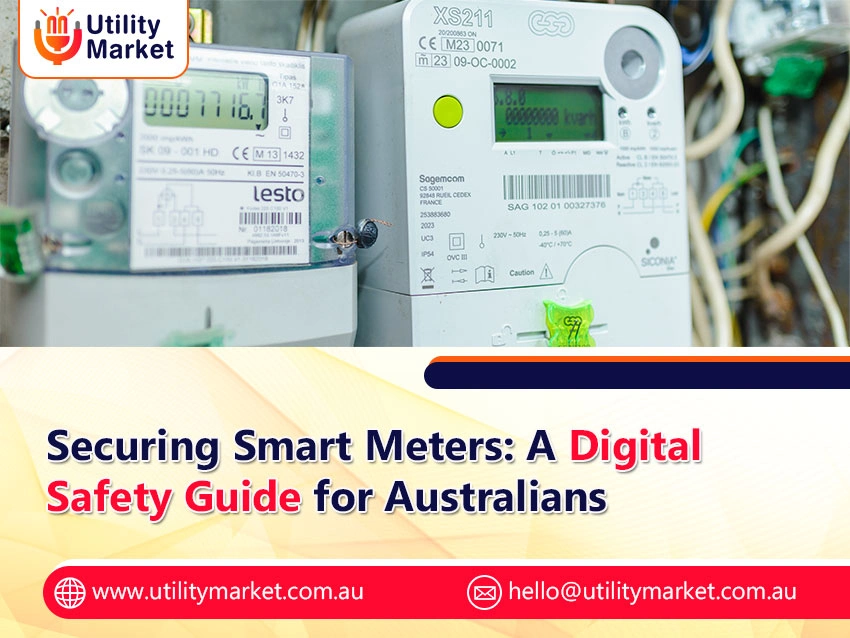
Securing Smart Meters: A Digital Safety Guide for Australians
Published May 15, 2026
Excited about the arrival of a smarter home? Then there is only one thing you need to ask yourself – is your data fully secure? Smart meter privacy and data protection smart grid have become the focal point as there is a rush to collect your data even before any legislation is implemented considering data as the new oil. There is no doubt in the minds of many Australians, Am I safe with this state-of-the-art technology? It’s time to look at some of the important smart meter privacy risks, along with the tracking of electricity consumption risk and finally a guide on what can be done to get the control back without losing the privacy.
Smart meter privacy has emerged as an important issue in Australia with these meters slowly becoming commonplace. In this guideline, we will discuss the key risks associated with electricity consumption tracking as well as how this data is used. We will also provide useful tips on improving data security.
Smart Meter Privacy in Australia, Expressed in Easy Language
These devices refer to an innovation in technology aimed at tracking your energy usage and sending all the data directly to your energy retailer. The main difference from regular meters is the fact that apart from being always aware, smart meters gather many other data points compared to traditional equipment, including consumption patterns throughout the day.
So what’s the downside?
In reality, each data point may help identify your application usage, daily routine and the presence of people at home. Here are the things you should consider regarding smart meter privacy –
- Detailed Usage Data: Smart meters can track your personal habits through patterns.
- Third Party Access: Information may be sold to third parties by energy retailers.
- Hackers: Malicious attacks on the smart grid may grant them unauthorized access to your data. In other words, privacy means keeping your smart meter data away from prying eyes.
- Smart Grid Data Security: Understanding the Basics
To provide services to its clients, the smart grid relies on a complicated structure, where your meter sends your information to retailers and further organizations. Here is how the process looks like:
The Data Journey
Residential Collection:
Your smart meter monitors current electricity usage, typically with readings every 30 minutes.
Transmission & Protection:
Data is sent through secure routes to your power company.
Data Cloud Storage and Analysis:
Power companies rely on cloud technology for storing and analysing such data, ensuring efficient billing and operations.
Third Party Sharing:
There are instances where power usage data is shared with government entities, grid operators and analysts.
A Simple Overview – How Your Smart Meter Information Flows
| Process Stage | Access Holders | Primary Concern |
|---|---|---|
| In-Home Meter Device | Homeowner, technician | Risk of physical interference |
| Data Transmission Network | Energy providers | Possible interception or cyber threats |
| Storage Systems (Cloud/Data Centres) | Service providers, grid operators | Exposure to data leaks or breaches |
| External Access (Third Parties) | Analysts, government bodies, others | Improper usage or unauthorized access |
Protecting Smart Meter Privacy
- Smart meters help utility companies monitor electricity usage in real time, improving energy efficiency and billing accuracy. However, they also collect detailed household consumption data, which can reveal personal habits, daily routines and occupancy patterns.
- Protecting smart meter privacy is essential to ensure consumer trust and data security. Unauthorized access to smart meter data may lead to misuse of personal information, identity theft, or cyberattacks on energy systems.
- One important privacy measure is data encryption. Encrypting communication between smart meters and utility providers prevents hackers from intercepting sensitive information during transmission.
- Another key approach is access control and authentication. Only authorized personnel and systems should be allowed to access consumer energy data, reducing the risk of unauthorized monitoring.
- Data minimization also plays a vital role. Utility companies should collect only the information necessary for billing and operational purposes instead of storing excessive user details.
- Governments and energy regulators should implement strong privacy policies and cybersecurity standards to ensure transparent handling of consumer data and compliance with legal frameworks.
- Consumers should also be educated about smart meter privacy settings, secure Wi-Fi practices and the importance of updating connected devices regularly.
- By combining advanced cybersecurity technologies, strict regulations and public awareness, smart meter systems can provide efficient energy management while safeguarding individual privacy rights.
Smart Meter Privacy Australia: Frequently Asked Questions
Smart meter data in Australia is protected under privacy laws, but it is still accessible to energy retailers and authorised third parties. While strict regulations exist, consumers should be aware that detailed usage data can be collected and shared for billing, analysis and grid management purposes.
Smart meters do not directly monitor activities, but they record detailed electricity usage patterns. Over time, this data can indirectly reveal household routines, such as when people are home, sleeping, or using specific appliances.
You can improve smart meter privacy by securing your home network, using strong passwords and staying informed about your energy provider’s data policies. Choosing reputable providers and understanding your data rights under Australian regulations can also help protect your information.