
Smarter Energy Choices: A Guide to Comparing Electricity Plans
Published May 7, 2026
With the increasing cost of electricity in Australia, using an alternative that is economical may be one of the quickest means of saving money. Nevertheless, taking into consideration the number of deals, offers, and terms being offered, it is no surprise that you end up getting confused. This is what you should focus on, and that is paying attention to just a few things that matter.
Here’s an easy, step-by-step guide to help you shop for electricity plans like an expert.
1. Know Your Current Consumption
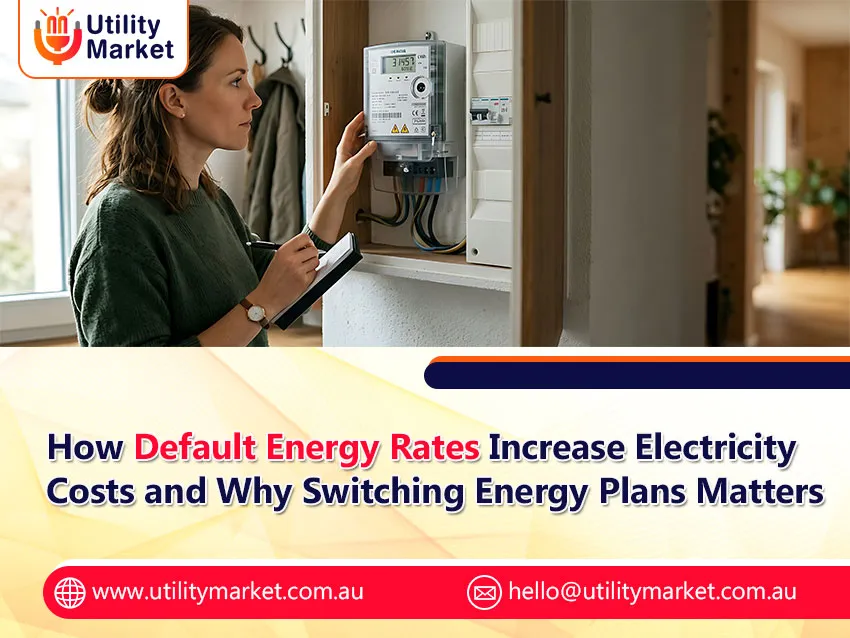
Before you compare, get your previous 3–4 electricity bills and check for:
- Total kWh consumption for a quarter or year
- If you are on a uniform rate or timely tariff use
- Seasonal usage peaks
That data helps you compare apples with apples when examining new plans not just at headline rates.
2. Select a Suitable Tariff Type According to Your Lifestyle
Most common types of Australian electricity tariffs can be classified as follows:
- Single Rate – where there is only one set price per kilowatt hour without regard to timing.
- Time-of-Use – depending on peak, shoulder, and off-peak periods.
- Maximum Instantaneous Demand Tariff – dependent on the highest amount of electricity used at once.
In case you spend all your daytime at home, a single rate may suit you best. In case you are able to perform operations with electrical equipment at off-peak hours, a time-of-use tariff will turn out to be more affordable for you.
3. Compare Supply Charges
Daily basis supply charge is a flat fee which you pay in order to get connected, no matter whether you are using any electricity or not. On an average, across the year, a difference of 10 cents per day amounts to $36.50. For low use homes, a lower supply charge may be worth more than a less expensive usage rate.
4. Don’t Just Look for Discounts
Large discounts can be appealing, but do consider:
- Is the discount on the total bill or only usage?
- Is it unconditional or contingent?
- For how long is it valid before rates shift?
Occasionally, a plan with a smaller, unconditional discount will end up saving you more than a sensational “40% off usage” that vanishes after 12 months.
5. Consider Solar Feed-in Rates
If you install solar panel on your roof, its time you look at the feed-in tariff. However, don’t make it your sole determining factor. A plan with a lower solar rate but lower-cost grid electricity may still leave you better off in total, particularly during months when you consume more power than you generate.
6. Utilize Comparison Tools but Read the Details
Government comparison sites are a great starting point but always read the plan’s Energy Fact Sheet on the retailer’s website. Make sure:
- You’re comparing the same tariff type.
- The rates apply to your distribution zone
7. Recheck Every 12 Months
Electricity markets change, and so do retailer promotions. Even if you get a good bargain today, check your plan annually particularly when your benefit period is coming to an end.
Final Word
Switching smarter isn’t about hunting down the cheapest advertised price, it’s about identifying the plan that suits your real usage, budget, and lifestyle. Make sure you consider this checklist as your guide, and you will be on your way to reducing your bill without even sacrificing the comfort. At Utility Market, we make it a point to simplify the process of comparing electricity plans so that you can find out where you stand & switch with confidence. At Utility Market, we aim to be your best electricity comparison broker, making it easier to compare plans and switch with confidence.
For smarter electricity plan comparison Australia, trust Utility Market and follow us on Facebook for the latest energy tips and deals.