Powering Profit: Comparing Residential and Business Electricity Costs
Published November 13, 2025
In the complex world of energy consumption, businesses face their own special challenges in comprehending electricity rates. Grasping the differences between residential and commercial rates will be the core step toward cost optimization and overall operational efficiencies.
The following comprehensive guide covers a few factors most relevant to businesses when it comes to electricity rates comparison.
Different rate structures
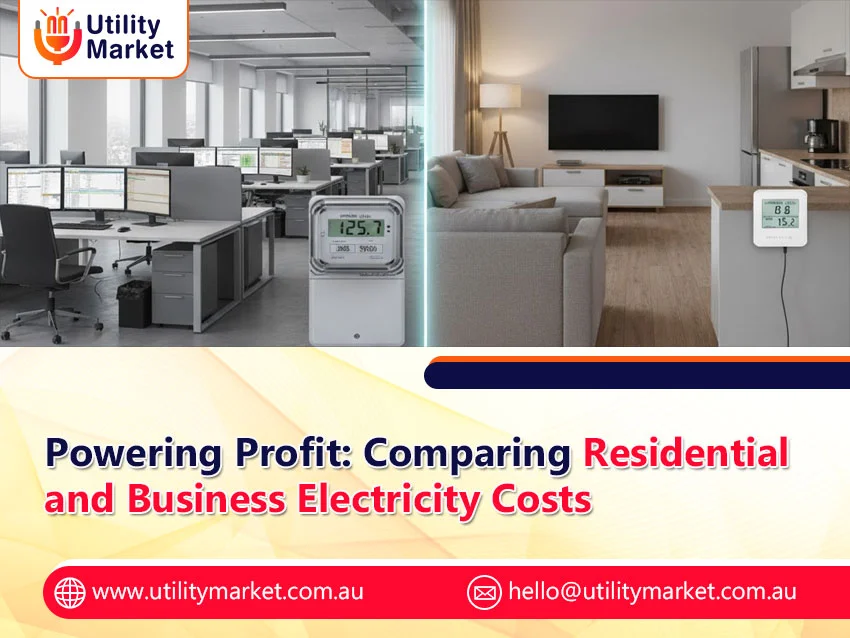
The residential and commercial structures of electricity rates are very different, with each affecting the calculation of cost. Residential rates are usually easier, at times based on total kilowatt-hours consumed.
On the other hand, commercial rates are more complex, including demand charges, peak usage, and industry-specific needs. Understanding these differences is the starting point on the road to efficient energy cost management in any business.
Billing components for businesses
Commercial electricity bills have certain components that do not apply to residential bills. It is about understanding demand charges that are based on the highest usage of electricity during a specific period. Furthermore, it becomes relevant for businesses to know how energy consumption, power factor charges, and other related factors determine the total cost.
The businesses must be cautious with all these billing components to avoid any unexpected expenses and budget well.
Demand charges
One important aspect of commercial electricity rates includes demand charges. Demand charges rely on how much total electricity was consumed in a given amount of time, usually at peak hours. Optimizing energy use at these times can help decrease demand charges, saving businesses a lot of money. Flipping through demand charge landscape demands business to introduce a strategy that suits their operational needs & usage pattern.
Energy efficiency measures
Energy efficiency is the way a business can be proactive in managing its electricity cost. Right from changing the lighting arrangements to optimizing the manufacturing process, each and every little step to saving energy leads to long-term cost reduction. Giving priority to energy efficiency means taking care of the both economic and environmental sustainability goals, ensuring better business commitment.
Tariff options
Commercial customers have a number of tariff options available from utility providers. Time-of-use tariffs, demand-based tariffs, and flat-rate tariffs are common options. The evaluation in terms of each option’s advantages and disadvantages should be made considering the operational hours and energy consumption patterns of the business.
In this way, understanding tariff options will allow businesses to tailor their electricity plans to their particular needs and optimize cost efficiency.
Planning on Long term
The base of any good cost management strategy for business is an extended planning. Taking decisions strategically on the choice of renewable energy sources or investment in energy efficient technologies lets business make decisions that not just optimize their energy related practice buts also relate them with the overall goals. Planning on long term boost adaptability and flexibility in today’s dynamic energy landscape to ensure that business remain competitive.
With energy landscape always on the change, business that takes a strategic approach to managing electricity will enhance their bottom line while leading to a more sustainable future. Standing at this juncture, where decision counts, knowing electricity rates becomes a strategic advantage for business that search not just for cost savings but long term success in the highly competitive market.
Follow Utility Market on LinkedIn to stay updated with energy news.