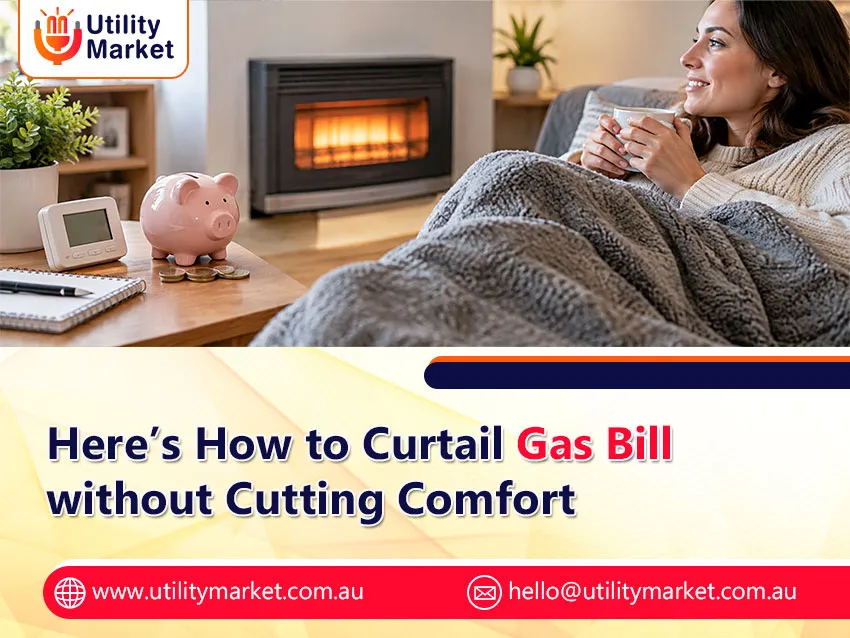

How to Prepare Your Home for Winter and Manage Gas Consumption
Published November 26, 2026
As the days become shorter and colder, most of us find ourselves shivering inside our houses. With the season changes comes the increased gas consumption for heating, water heating, or even preparing food. As a result of that, it is during this period when many Aussies begin experiencing the increase in their gas expenses.
Lately, there has been a wave of concerns voiced on different forums from people who were surprised by the quick increase in their gas bills due to the winter period coming. Are you among those who are surprised by the rapid increase in their gas expenses because winter has arrived? If so, do not worry, you are not alone in Australia!
Let us look into it and discover how to stay warm and save money at the same time!
Why Do Gas Bills Go Up in Winter?
This happens because the demand for energy used to heat homes using such appliances as heater, hot water and cooking devices rises during winter months. As we need to heat our homes, this inevitably results in increased usage of gas and thus increased gas bills.
However, increased usage is only one factor that affects energy bills during winter. It’s important to remember the heating system that you use and its efficiency. In cold weather, energy demands rise and become extremely high if the heating systems of your home are not very efficient. For instance, according to The Victorian government website, almost 60% of homes in Victoria are either under-insulated or do not have insulation at all.
How to Prepare for the Winter Season
Inspect the Insulation at Home
One of the most efficient means of lowering heating bills is making sure that the house is properly insulated. Inadequate insulation leads to loss of heat, hence your gas heater will need to produce more heat to compensate for this loss. Begin by checking the insulation in certain parts of the house such as the roof and the walls. If the roof has no insulation or the walls are badly insulated, then the cold air will easily come in, thereby forcing you to increase the heat produced. Putting good insulation in place may involve some expenses upfront, but in the end, it will save you money as your house will be warm without needing heating systems.
Close All Gaps and Drafts
In addition to the insulation, it is important to make sure that there are no leaks or drafts around the windows or doors.
Upgrade to More Efficient Appliances
If your current appliances run on gas and are old, chances are that they aren’t as efficient as they could be. The newer models of gas heaters and hot water systems tend to be more energy efficient and will thus help you cut costs by saving on your winter gas costs. Consider buying appliances with higher energy ratings and that use less energy for the same comfort.
There are programs in most states that will enable you to upgrade your appliances. For example, there is an energy discount scheme called the Victorian Energy Upgrades (VEU). This helps in decreasing energy use and bills through the use of discounts in energy efficient products. Appliances that save on energy use and emissions qualify for rebates or discounts.
Common Household Gas Uses and Energy-Saving Tips
| Gas usage | Ways to manage consumption |
|---|---|
| Home heating | Use a programmable thermostat and maintain a comfortable temperature. |
| Water heating | Set an appropriate water temperature and avoid unnecessary hot water use. |
| Cooking | Use appropriately sized burners and cover pots while cooking. |
| Gas fireplace | Limit unnecessary use and maintain the appliance regularly. |
| Hot water systems | Insulate hot water pipes and check for leaks. |
You can reduce gas consumption by setting your thermostat to a comfortable temperature, sealing gaps around doors and windows, insulating your home and using heating only when necessary. Regular maintenance of gas appliances can also improve efficiency and help prevent unnecessary energy waste.
A comfortable indoor temperature during winter is generally around 18°C to 20°C for many households. You can adjust the setting based on personal comfort, household needs and outdoor temperatures. Lowering the thermostat slightly when you are asleep or away can also help reduce gas consumption.
Gas consumption usually increases during winter because households use more heating to maintain comfortable indoor temperatures. Hot water demand may also rise as people take warmer showers and use more hot water for daily activities. Colder weather can therefore lead to higher gas usage and energy bills.
Schedule regular servicing, clean or replace filters where applicable, keep vents unobstructed and ensure your heating system is operating correctly. Using a programmable thermostat and improving home insulation can also help your heating system maintain comfortable temperatures without consuming unnecessary gas.
Yes. Proper insulation helps retain indoor heat and reduces the amount of heating required during winter. Insulating ceilings, walls and floors, along with sealing gaps around windows and doors, can reduce heat loss, improve indoor comfort and help lower gas consumption.
Prepare your home for winter with practical tips from Utility Market to stay warm and manage gas consumption.
Follow Utility Market on LinkedIn for more energy-saving tips and ways to reduce your gas bills.