How Energy Prices in NSW Influence Your Electricity Plan and Household Budget
Published November 23, 2026
Now suppose that we were to tell you that knowing the details of your energy bill would allow you to save some money. This is because being ready for your Energy Rates NSW will ensure that you won’t be surprised by any sudden increases. It’s not just about reducing your consumption but managing the bill before the latter manages you by mastering the main costs and making the right decisions to keep more money for yourself.
It’s time to learn how you can benefit from your energy rates plan
Energy Rates NSW – Important Terms Defined
In trying to understand your electricity bill, it is useful to separate the various charges to see how they will impact what you pay. Below is a more detailed look
Usage Charges (Kilowatt-Hours – kWh): Usage charges refer to the electricity usage of your home, measured in kilowatt-hours (kWh). A kilowatt-hour refers to the amount of energy used by a 1000-watt appliance in an hour. So, in one hour of operation, a 100-watt light bulb will use 0.1 kWh. There are three kinds of usage charges according to the plan type.
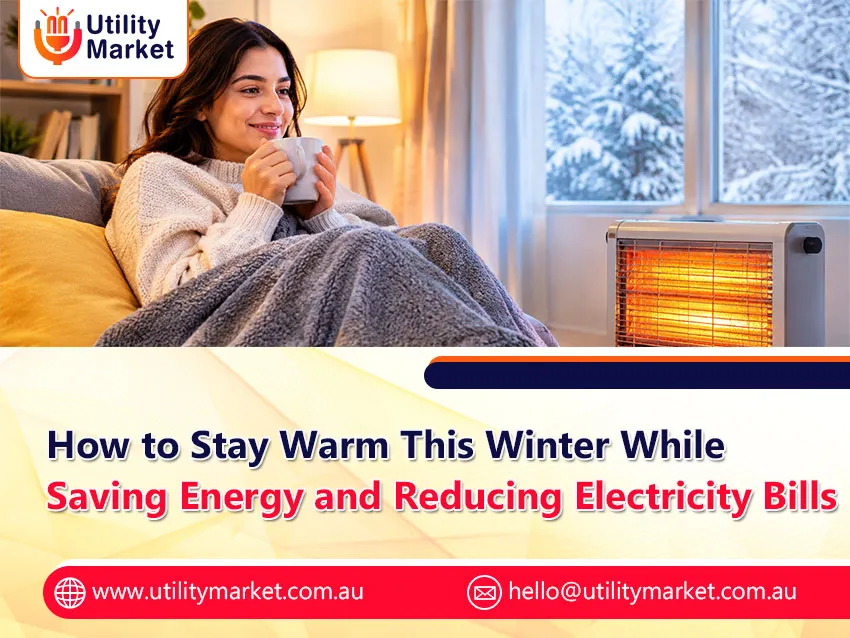
- Running a 1,500 watt heater for 3 hours uses up 4.5 kWh
- Using a plan that charges $0.30 per kWh will cost you $1.35 for 3 hours of usage.
Daily Supply Charges: The daily supply charge is a fixed charge covering the cost of the maintenance of the infrastructure – such as grid, meters, and billing systems – for delivering electricity to your home. The daily supply charge will apply regardless of whether you have used electricity or not. They are measured in cents per day and are normally in the range of $0.80 to $1.20.
To give you an idea of how expensive it could be:
Why is it important? Whereas usage charges vary depending on the amount of electricity used, daily supply charges do not vary in order to accumulate regardless of low usage levels.
Time-of-Use Tariffs: This kind of tariff charges consumers differently based on the time of day electricity is used. It includes:
- Peak (mostly daytime when the demand is high),
- Off-Peak (mostly nighttime when the demand is low) and
- Shoulder (middle time between the two mentioned above).
Example:
- Peak: 7 am – 1 pm ($0.40 per kWh)
- Off-Peak: 10 pm – 6 am ($0.10 per kWh)
- Shoulder: 1 pm – 10 pm ($0.20 per kWh)
The effects on your bill: Moving the times at which you use electricity to non-peak hours might yield savings because non-peak hours costs are normally about half of what peak hour prices are.
Demand Charges (For Commercial and Large Residential Users): Even though this is unusual for residential customers, another component of the price for electricity that you pay may be demand charges which are charged based on the highest energy demands of your household within a certain billing cycle. Your energy demands might become quite high if you turn on many of your household’s high energy using appliances simultaneously.
The Reasons Why Energy Costs in NSW Are Important for the Budget
Firstly, electricity is one of the basic household costs along with food and rent/mortgage. If energy rates increase in NSW, then the budget of any person gets strained, especially in hot or cold seasons when you have to use the air conditioner/heater more frequently. The good news is that small savings in energy costs can allow you to spend this money on holidays, additional savings or purchase some new product or thing.
How You Can Lower Your Electricity Bills?
Energy-Saving Appliances: These devices have the ENERGY STAR Rating which means that they consume fewer resources. The appliances which have lower standby power consumption should be preferred since many of the gadgets use energy even after being switched off.
Smart Plugs and Smart Meters: Using smart plugs allows you to turn off the devices that consume lots of energy from distance or automatically. Also, smart meters help to understand where the energy is wasted.
Use of Smart Plugs and Smart Meters: Using smart plugs will enable you to turn off energy-consuming appliances either remotely or according to a set schedule. Smart meters will give you live feedback about your energy consumption and will help you identify wastage.
Identification of Peak Demand Period: Apart from time-of-use rates, you can learn about the peak demand period in your state to avoid consuming energy during these times. Energy costs more in summers because of the increased use of cooling devices like air conditioning systems.