

Is Switching Energy Plans Really Worth Your Time and Effort?
Published April 21, 2026
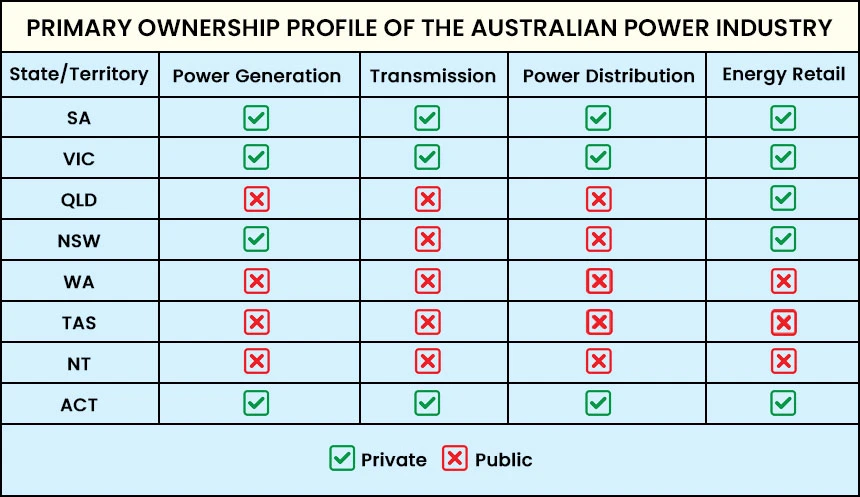
Previously, the entire Australian energy market was controlled by the government, and only default offers were available for consumers, with no option for switching energy plans in Australia. The initial stages began in Victoria and New South Wales, where some big retailers signalled the start of contestable markets in this industry. Other states soon followed suit, including South Australia, Queensland, and the Australian Capital Territory, entering the deregulated energy market and opening up the market to more retailers.
The deregulation process resulted in tax revenue for the state. Consequently, more money was allocated for infrastructure and education. Employment rates soared, and the economy received a boost. Prior to deregulation, consumers had no choice but to adhere to the default offer of one retailer. With the deregulation process, consumers were now allowed to compare their energy plans and make a selection.
The Effects of Deregulation on Competition
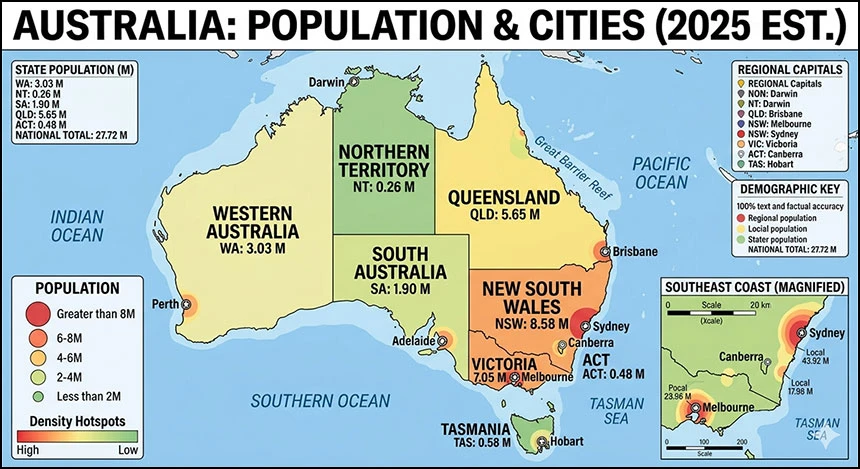
Deregulation brought about an interesting aspect to the competition in the East Coast of Australia due to the presence of the densely populated states beginning from Victoria up to Queensland. Across the market, the retailers were locked in intense competition in their quest to provide the best value to the customers.
More than 25 retail players are currently competing in the Australian energy market with varying strategies in place to lure the consumers.
Companies that fall under the tier-one players have concentrated on developing top-of-the-line infrastructure networks in serving their customer base. Presently, a handful of companies provide a chance for their customers to have control over their electricity consumption through the use of the company’s app. For instance, some companies provide a user-friendly app in which you can get an overview of your energy consumption. It will allow you to monitor your electricity generation from your solar panel systems.
Selecting the Right Comparison Company:
It is important to consider selecting comparison companies with well-informed staff and not only a sales team.
Also, it is recommended that you choose comparison companies that provide transparency and have many retailers in their panel. Look for an extensive selection of Tier 1 and Tier 2 providers with different advantages based on your requirements.
Checking their website may be a great idea to filter out some choices and prevent any scam. If uncertain, you can also find the ABN number listed on their website. Then, you can verify their status as a real business operating in Australia using ABN lookup here.
Additional Tip: In some cases, companies provide discounts exclusive to their third-party partners only.
| Key Factors | Major Market Retailers | Regional & Specialized Retailers |
|---|---|---|
| Market Presence | Extensive national footprint with significant infrastructure investment. | Agile operations often focused on specific states or niche demographics. |
| Pricing Model | Standardized market offers with bundled service options. | Competitive variable rates designed to attract high-usage households. |
| Digital Integration | Comprehensive mobile apps with real-time usage and solar tracking. | Simplified digital portals focused on transparent billing and low overheads. |
| Incentive Programs | Broad-scale loyalty programs and partnerships with major retailers. | Direct cost-saving incentives and community-based support initiatives. |
| Support Channels | 24/7 automated support and extensive physical office networks. | Personalized customer service with a focus on local support teams. |
Note: Retailer categories are based on market share and operational scale as defined by Australian regulatory frameworks.
Comparing Plan Frequency:
Energy sector in Australia is one of the most competitive energy sectors across the globe. There are always numerous plans for consumers at any given point in time.
It would be best to compare your energy retailers annually, as retailers plan their schemes to maximize the benefits for a period of 12 months and then adjust their rates.
When you need to find a reasonable rate, comparing daily supply rates can help. Nevertheless, all the rates should be cheaper. Ideally, the overall cost should be cheaper in consideration of your consumption.
Conclusion:
Well, it is not an easy task to choose a retailer, but it is worth doing, considering that saving even the smallest sum of money in such a difficult economic environment counts. With the choice of freedom, there should be no reason why customers have to spend extra money on the same amount of energy consumed.
For more insights on switching energy plans in Australia, stay connected with Utility Market and follow us on Facebook for the latest updates and tips.