
Making The Right Decision When It Relates To Gas Meters In Australia
Published March 30, 2026
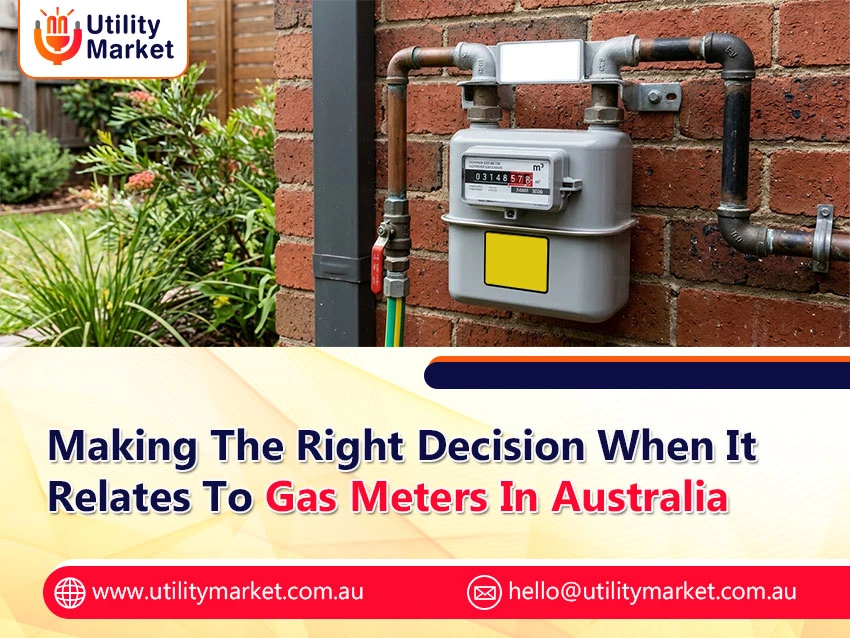
Gas is an integral part of the Australian home. It is the source of power for heating systems, stovetops, and even the provision of hot water. However, it is easy to take the availability and ease of gas supply for granted. Therefore, it is important to have a clear understanding of the process of gas measurement and monitoring. The gas meter is the core of this process. It is the unsung hero that quietly gets the job done by measuring the amount of gas used in the home. Whether it is the setting up of the gas meters in Australia or the making of sense of the gas bill, having a clear understanding of the gas meter is important in the management of gas.
What is a gas meter?
A gas meter is defined as a meter installed at residential and commercial sites to measure the consumption of gas. The meter reading enables the energy service provider to determine the amount of gas consumed at the site, given the meter reading in terms of either cubic feet or cubic meters.
Gas meters are common features in residential and commercial sites in Australia, where the sites are connected to the natural gas network.
Types of Gas Meters in Australia
In Australia, households are usually served by one of these following types of gas meters:
Diaphragm Gas Meters
This is the most common type of gas meter used in households. They consist of chambers that expand and contract to measure the flow of gas. These meters are highly accurate for low usage.
Rotary Gas Meters
This type of gas meter is used in larger commercial establishments. They consist of two impellers used to rotate in order to measure gas flow. These are rarely used in households.
Digital or Smart Gas Meters
In some cases, households may be served by digital gas meters. These meters are highly efficient in providing frequent meter readings without having to physically visit the site.
Interpreting Your Gas Bill
- The average gas bill in Australia contains some of this following information relating to your gas meter readings:
- Start and end dates of your bill period
- Opening and closing meter readings
- Gas used in volume, which is usually expressed in cubic meters or feet
- Converting it to megajoules using a standard formula
Usage of comparison against previous billing periods
One should always check if the meter number on the bill corresponds to the actual meter installed. This may be important if you have moved house or changed retailers. It may also be important to check if the actual or estimated reading type is accurately stated.
Choosing the right Australian energy provider
While the gas meter does not change regardless of the retailer, the quality of service and features of the plan may differ from retailer to retailer. In order to choose the right Australian energy provider, Australians need to consider the following factors:
- Customer service reliability
- Availability of digital tools for self-service
- Availability of green energy or offset plans
- Ease of communication and transparency
- Flexibility of billing and account management
A retailer that matches your values and lifestyle, such as offering online self-reads or catering for renters, may make your life easier and less stressful.
Consulting an expert before making a decision
Finding the right service provider can be overwhelming, especially considering the differences in service and plans from state to state or territory to territory. To understand better the types of plans available for your area, you may contact Utility Market. A professional will guide you through the available choices, ensuring that your household gets the most appropriate plans.
For more updates and tips on gas meters in Australia, follow us on Instagram.